

How to Stay Happy While Doing Hard Things in Your Career
the secrets of the 1%


I have a casual friend whose dad runs a business empire. We’re talking thousands of employees, multiple companies, the kind of operation where a bad decision affects entire communities. His son, the heir apparent, is deeply involved in running things.
One day, our mutual friend made an offhand remark about him: “He works so hard and he’s always so, so happy.”
My ears perked up.
At the time, I was drowning in my own challenges—difficult projects, tight deadlines, decisions that felt way above my pay grade. Some weeks I was completely miserable under the weight of it all. And my challenges were a fraction—a tiny fraction—of what this guy was carrying.
So how was he so happy while managing an empire when I was stressed about projects that, in comparison, should have felt manageable?
That question sent me down a rabbit hole. I started researching, testing, and talking to other designers, founders, and product people who seem to have figured out how to enjoy hard work instead of just surviving it. What I found changed how I approach every difficult challenge.
Here’s what actually works—not toxic positivity, but real strategies that help you stay energized and engaged when you’re doing the hardest work of your career.
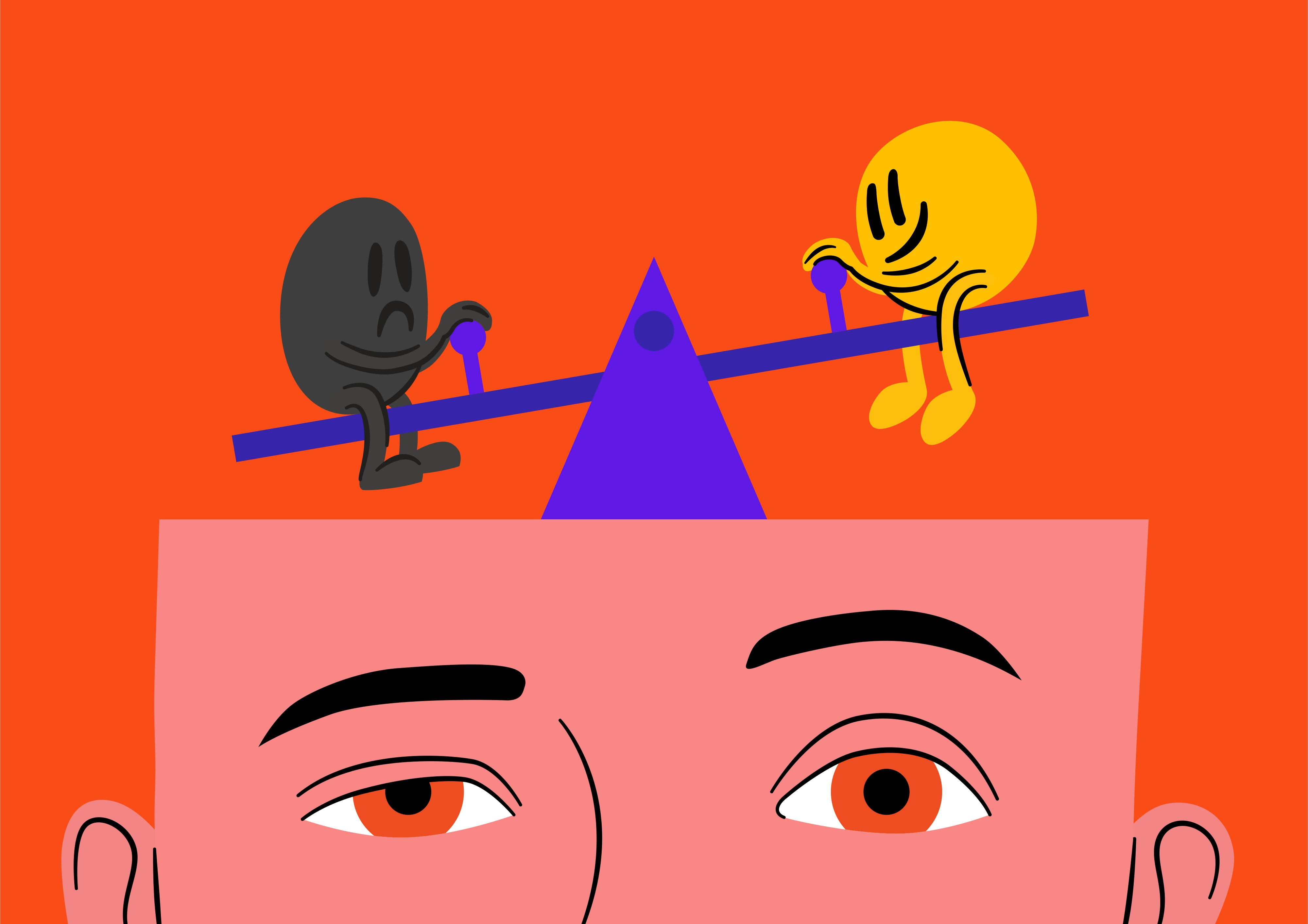
Part 1: The Mental Game
The physical stuff matters (we’ll get to that), but this starts in your head. As you might know from last week’s newsletter, I’ve been on a quest to update my mindset. I went from being sad and lost in a dark corner to actually looking forward to challenges again. Here’s what made the difference:
1. Reframe Your Problems as the Price of Admission
Jessica Hische, the legendary designer and lettering artist, has a line that changed how I see difficult work: “This is the price I pay to do the work that I love.”
Brutal feedback from stakeholders? That’s the price of doing work that matters enough for people to care. Leading a team through a pivot? That’s the price of being trusted with leadership. Shipping something under impossible constraints? That’s the price of working on products people actually use.
This isn’t about pretending problems don’t suck. They do. But when you frame them as the admission fee for the career you actually want, they become more tolerable. Every designer dealing with endless revisions is paying the price of doing creative work. Every PM managing conflicting stakeholder demands is paying the price of having real impact.
What’s the alternative? A job where none of these problems exist because nothing you do matters enough to create friction? That’s worse.
2. Visualize Your Outcome in Vivid Detail
I learned this from Rhapsody Soju, and it sounds like woo-woo nonsense until you actually try it. Before you start a difficult project or a stressful presentation, spend two minutes visualizing the outcome you want in extreme detail.
Not just “I want the presentation to go well.” I mean: what does the room feel like when you finish? What questions do people ask? How does it feel when your design director gives you that approving nod? What does the Slack channel look like when the feature ships and users love it?
Your brain doesn’t distinguish much between vivid visualization and actual experience. When you create a detailed mental picture of success, you’re giving your brain a preview of where you’re going. It makes the path there feel more real, more achievable.
I do this before every big meeting or difficult conversation now. Two minutes of detailed visualization. It’s absurdly effective.
3. Expect Problems, But Don’t Fixate on Them
Here’s a paradox: you should absolutely expect that things will go wrong, but you shouldn’t obsess over what might go wrong.
Expecting problems is just realism. Of course the design won’t be perfect in V1. Of course stakeholders will have unexpected feedback. Of course someone will miss a deadline. When you expect these things, you’re not shocked and derailed when they happen. You just adapt.
But fixating on potential problems—spending your energy imagining all the ways things could fail—is different. That’s just anxiety masquerading as planning.
The difference is preparation vs. paralysis. Expecting problems means building in buffer time and having backup plans. Fixating on problems means you never start because you’re too busy catastrophizing.
4. Normalize Your Failures and Low Points
Every designer and product person I respect has a graveyard of failed projects, terrible decisions, and face-palm moments. The difference between them and everyone else is they don’t treat these as evidence they shouldn’t be doing this work.
You will have projects that flop. You will make wrong calls. You will ship things that users hate. This is normal. This is the actual experience of doing ambitious work, not a sign you’re doing it wrong.
I keep a “failure resume” now—a document of everything that didn’t work. It’s oddly comforting to look at. All those failures, and I’m still here, still growing. They didn’t end my career. They just taught me things.

5. Lead with Curiosity Rather Than Ambition
Ambition is exhausting. It’s always asking “am I there yet?” and the answer is always “no, not yet,” which makes you feel like you’re failing even when you’re making progress.
Curiosity is energizing. It asks “what happens if we try this?” and every outcome—success or failure—is just interesting data.
When I shifted from “I need to get promoted this year” to “I wonder what I’ll learn by taking on this challenging project,” work got more fun. The stakes felt lower. The exploration felt more genuine. And paradoxically, I made better decisions because I wasn’t forcing outcomes.
This doesn’t mean you abandon goals. It means you approach them as experiments instead of mandates.
6. Break Everything Into Ridiculously Small Bits
Chris Do talks about this constantly, and so does Melanie Perkins of Canva. When a project feels overwhelming, you’re thinking about it at the wrong scale.
Don’t think “I need to redesign the entire product.” Think “I need to sketch three ideas for the navigation.”
Don’t think “I need to become a design director.” Think “I need to lead this one project well.”
The smaller the bit, the easier it is to start. And starting is 90% of the battle. Once you’re in motion, momentum takes over.
I break my day into 30-minute chunks now. Each chunk has one small, specific thing I’m doing. It makes hard work feel manageable instead of crushing.
7. Practice Gratitude (Yes, Really. Here’s How.)
I know, I know. Gratitude journals sound like something your therapist suggests when they’re out of better ideas. But the research on this is overwhelming, and when I actually started doing it right, it worked.
The key is specificity and timing. Don’t just write “I’m grateful for my team.” Write “I’m grateful that Sarah jumped in to help debug that issue even though it wasn’t her responsibility, which meant we shipped on time.”
And do it at night, not in the morning. Use it to bookend your day by finding three specific things that went well, no matter how rough the day was. There’s always something.
This rewires your brain to scan for wins instead of only registering problems. After a few weeks, you’ll notice you’re just... happier. It’s weird how well it works.
Part 2: Taking Care of Your Vitals
All the mindset work in the world won’t save you if you’re running on fumes. Your brain is an organ, and organs need maintenance.
1. Sleep at 10 PM (Or Whatever Works for You)
I’m not going to preach a specific sleep schedule because everyone’s different. But here’s what I will say: consistent sleep timing matters more than almost anything else for sustained energy and mood.
Pick a bedtime. Stick to it within 30 minutes every single night, including weekends. Your body will start naturally winding down at that time. You’ll fall asleep faster, sleep deeper, and wake up more refreshed.
I switched to 10 PM after years of “I’ll sleep when the work is done” (spoiler: the work is never done). The difference in how I feel during the day is dramatic. I’m sharper, more patient, more creative.
2. Eat Smaller Meals Throughout the Day
That huge lunch that makes you want to nap afterward? It’s killing your afternoon productivity and your mood.
Eat smaller portions more frequently. Keep your blood sugar stable instead of riding the rollercoaster of starving-stuffed-crash.
I do a light breakfast, a reasonable lunch, and healthy snacks in between. Dinner can be bigger since I’m done working. My energy levels stay much more consistent.
3. Move Your Body Every Hour
Sitting for hours destroys your energy and your mood. This isn’t about fitness—it’s about basic human biology.
Stand up every hour. Stretch for two minutes. Do ten squats. Walk to get water. Anything that gets blood moving.
I set a timer. It’s annoying until it becomes habit, and then it’s just something you do. And the energy boost is immediate and noticeable.
4. Track Your Energy Dips
Pay attention to when during the day you feel sharp versus when you feel sluggish. Most people have predictable patterns.
I’m sharpest 9-11 AM and 2-4 PM. I’m useless 1-2 PM and after 7 PM. So I schedule my hardest cognitive work for my peak times and save email and admin work for my low times.
Once you know your patterns, you can design your day around them instead of fighting against your biology.
The Actual Secret
Want to know what I think the real secret is with that happy business heir?
He’s probably doing some version of all of this. Not because he’s naturally happier or has some genetic advantage. But because when you’re doing genuinely hard things, you have to be intentional about staying energized and positive. You can’t just grind through on willpower alone—that’s a recipe for burnout.
The rest of us just have to learn that lesson too. Hopefully before we crash.
These tactics aren’t magic. They’re just paying attention to what actually makes humans feel good and work well, then doing those things consistently instead of occasionally.
The hardest projects in your career—the ones that will define your growth—require more than just skill. They require you to stay energized, optimistic, and clear-headed even when things get difficult.
Try one tactic this week. See what happens. The goal isn’t to eliminate the difficulty—it’s to stay happy while doing the difficult thing.
That’s the real competitive advantage.